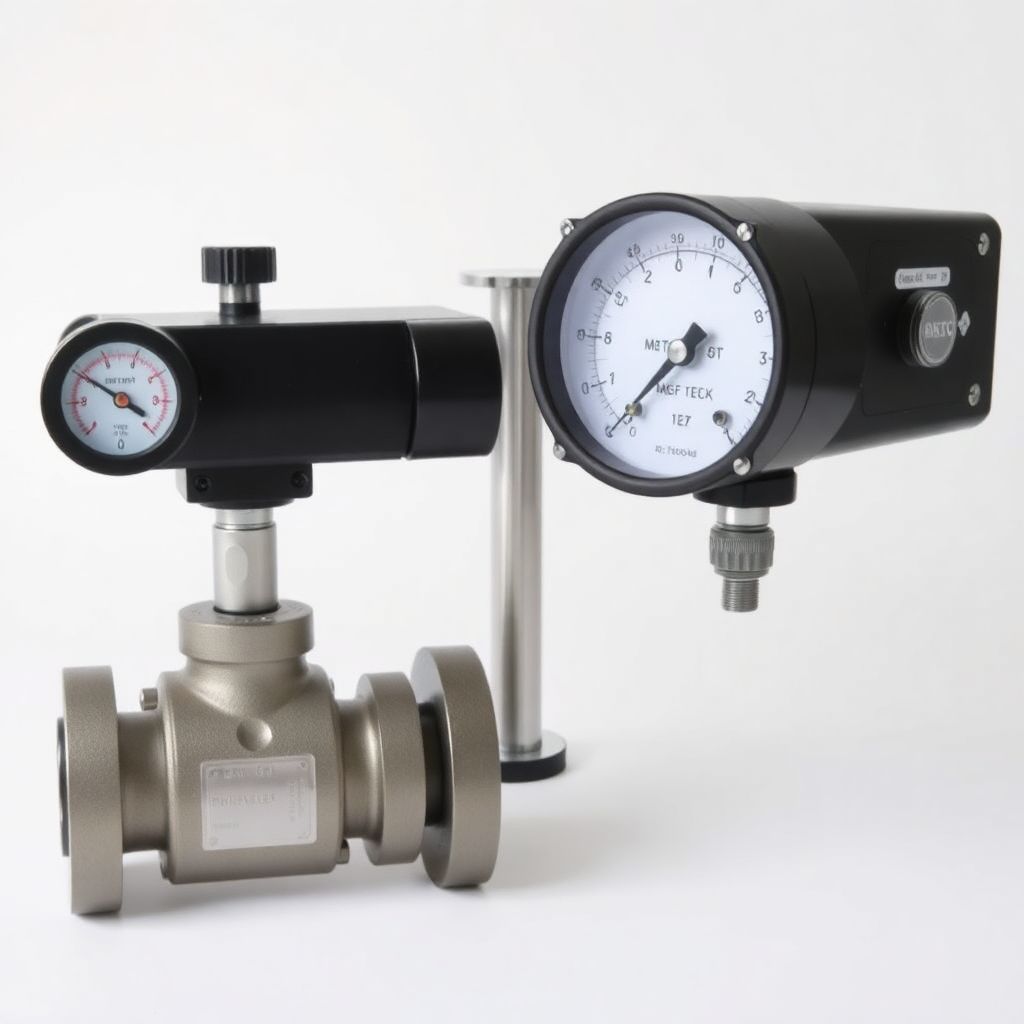
Calibration and Verification of Flowmeters
Flowmeters are critical instruments in various industries that measure the flow rate of liquids and gases. For the readings provided by these devices to be reliable and accurate, regular calibration and verification are essential. In this article, we'll explore the significance of calibration and verification, different methods employed, and the importance of using benches for calibration and verification of flow meters.
The Importance of Flowmeter Calibration
Calibration is the process of adjusting the accuracy of a flow meter. Over time, environmental changes, wear and tear, and other factors can impact the precision of flow measurement. This can lead to inaccuracies which may result in insufficient data for decision-making, financial discrepancies, and potential safety hazards. Accurate flow measurement is crucial for numerous applications, ranging from monitoring water usage to measuring fuel flow in vehicles.
Implementing a consistent calibration routine is vital for maintaining the integrity of flow measurement. By utilizing benches for calibration and verification of flow meters, industries can ensure that their devices meet the required standards. Calibration helps in fine-tuning the readings, which can positively impact overall operational efficiency and prevent costly errors.
Verification Process in Flow Measurement
Verification is the process of confirming that a flowmeter operates within its specified accuracy limits. This is typically accomplished using a combination of procedures and tests to ensure that the meter functions as intended. Verification techniques can include functional checks, performance tests, and comparison against standardized references.
- Functional Checks: These checks generally evaluate the operational aspects of flow meters, ensuring that they are responsive and can provide a reliable output across various flow conditions.
- Performance Tests: In this phase, the performance of the flow meter is assessed under controlled conditions to verify that its responses align with expected values.
- Standards Comparison: Flowmeters are compared against known standards to validate their accuracy. Utilizing reference fluids known for their flow characteristics supports this process.
Methods for Calibration and Verification
There are numerous methods to perform calibration and verification, and the choice largely depends on the type of flow meter in use and the nature of the application. Common methods include:
- Gravimetric Method: This technique involves weighing the fluid to determine the flow rate, providing a highly accurate measurement. It's often used as a standard reference.
- Volumetric Method: It measures the volume of fluid that passes through a meter during a specific time interval, providing a straightforward way to benchmark flow rates.
- Secondary Standards: These systems are known for their reliability and can serve as a backup for comparison against the flowmeter being tested.
Each method offers distinct advantages tailored for specific scenarios, emphasizing the need for a thorough understanding of both the flowmeter and the environment in which it operates.
Strategic Importance of Calibration Benches
Investing in benches for calibration and verification of flow meters can revolutionize the calibration process, making it more efficient and effective. These benches are specially designed to house various flow meters and facilitate easy testing and calibration. Their use enhances not only the precision of measurements but also streamlines operational workflows.
Calibration benches are equipped with features that allow for adjustments in pressure, flow rates, and temperature control, making them ideal for versatile testing. By incorporating such an advanced system, organizations can achieve higher accuracy levels in their flow measurements and reduce the likelihood of measurement errors significantly.
Conclusion
In the fast-paced industrial landscape, ensuring accuracy in flow measurement is non-negotiable. Calibration and verification processes play a crucial role in achieving this objective. Utilizing specialized benches for calibration provides an added layer of assurance regarding the performance of flow meters. Failure to calibrate flow meters could result in inaccuracies, ultimately affecting productivity and cost efficiency. Therefore, investing time and resources into a robust calibration and verification regime is not merely beneficial but essential for operational excellence. For more information, visit https://flow-measuring.com/.

